The Evolution of Financial Security: Navigating On-Demand Micro-Insurance for Digital Nomad Freelancers

Introduction: The New Frontier of Work and Risk
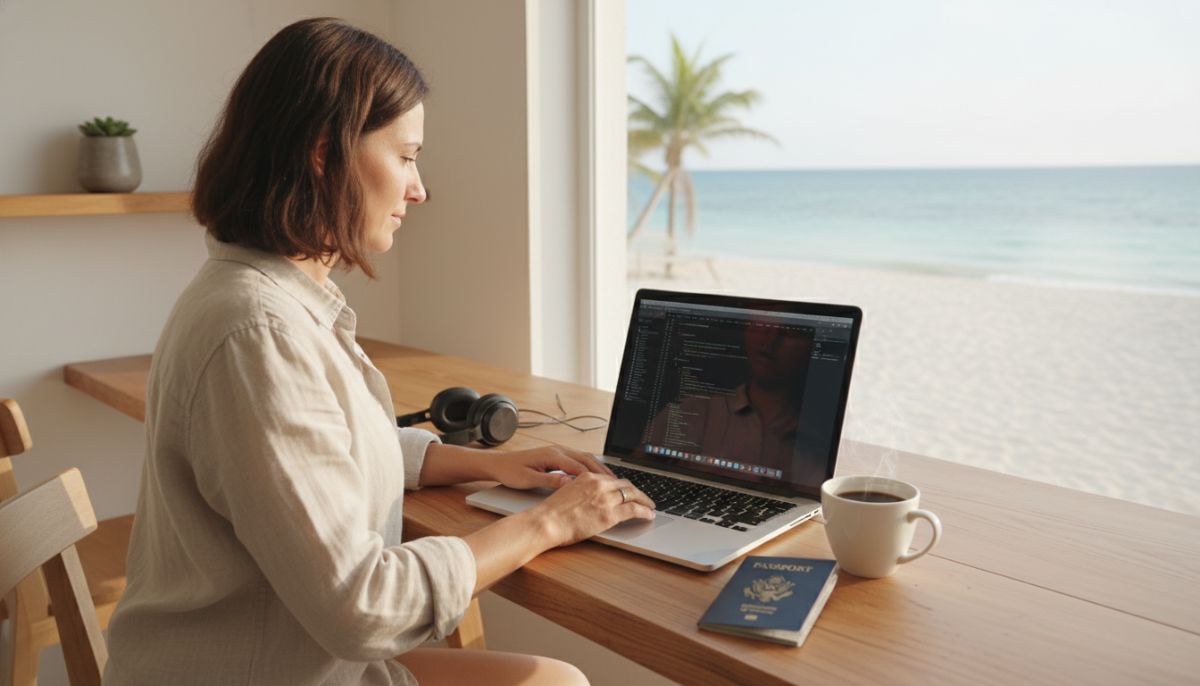
The landscape of global employment has undergone a seismic shift over the last decade. The rise of the gig economy, coupled with the ubiquity of high-speed internet, has birthed a new class of professional: the digital nomad freelancer. These individuals operate across borders, often lacking a permanent home base or the traditional safety nets provided by corporate employment. While the freedom of this lifestyle is unparalleled, it introduces a unique set of vulnerabilities that traditional insurance models are ill-equipped to address. Enter on-demand micro-insurance—a flexible, digital-first financial tool designed to mitigate risks in real-time.
Traditional insurance products are typically structured around long-term commitments, static geographical locations, and comprehensive coverage bundles that often include unnecessary overhead. For a freelancer moving between Lisbon, Bali, and Mexico City, a standard annual health or property policy is often too rigid. Micro-insurance addresses this by offering hyper-specific, short-term coverage that can be toggled on and off via a smartphone, aligning perfectly with the nomadic lifestyle.






The Limitations of Legacy Insurance Models
Historically, the insurance industry has relied on actuarial data tied to stable variables: a fixed residential address, a steady 9-to-5 job, and predictable lifestyle patterns. Digital nomads disrupt every one of these variables. A freelancer may require professional liability insurance for a two-week contract with a UK-based firm, followed by specialized equipment insurance for a photography expedition in the Andes, and suddenly need emergency medical coverage while transit through Southeast Asia.
Legacy insurers often struggle with the ‘portability’ of coverage. Many policies become void if the policyholder spends more than six months outside their home country. Furthermore, the underwriting process for traditional insurance is notoriously slow, often requiring physical documentation and weeks of processing. For a freelancer who might decide to change countries on a whim, these bureaucratic hurdles are a significant deterrent to maintaining adequate protection.
Understanding On-Demand Micro-Insurance
On-demand micro-insurance is characterized by its modularity and accessibility. Unlike traditional policies, micro-insurance focuses on ‘micro-risks.’ This could range from insuring a specific piece of equipment (like a professional-grade drone or laptop) for a single day, to purchasing travel health insurance that only charges the user for the exact number of days spent outside their primary residence.
Key features of this model include:
1. Granularity: Users can choose exactly what they want to cover, avoiding the cost of comprehensive bundles.
2. Flexibility: Policies can be activated or deactivated via mobile apps, often using geolocation to suggest relevant coverage.
3. Affordability: By narrowing the scope of risk and duration, premiums are reduced to a fraction of traditional costs, making them accessible to early-career freelancers.

Core Coverage Areas for the Digital Nomad
For the digital nomad freelancer, certain risks are more prevalent than others. On-demand micro-insurance platforms generally focus on four critical pillars:
1. Parametric Travel and Health Insurance
Traditional travel insurance requires tedious claims processes. Parametric micro-insurance, however, uses data triggers. For example, if a flight is delayed by more than four hours—tracked via global aviation databases—the policy automatically triggers a payout to the nomad’s digital wallet. Health coverage is similarly optimized, providing access to local private clinics without the need for complex pre-approvals.
2. High-Value Equipment Protection
For many freelancers, their laptop, camera, or specialized hardware is their entire livelihood. On-demand policies allow nomads to take out ‘burst’ coverage when they are in high-risk transit or working from public spaces, protecting against theft, accidental damage, or loss.
3. Professional Liability and Cyber Risk
As freelancers handle sensitive data for international clients, the risk of professional negligence claims or data breaches is real. Micro-insurance offers ‘per-project’ professional indemnity insurance, ensuring that the freelancer is protected during the lifecycle of a specific contract without needing a year-round policy.
4. Personal Accident and Income Protection
In the absence of corporate sick leave, an injury can be financially catastrophic. Micro-insurance can provide short-term income replacement if a nomad is unable to work due to an accident, providing a temporary safety net until they can resume their projects.

The Role of InsurTech and Artificial Intelligence
The viability of on-demand micro-insurance is driven by the InsurTech revolution. By leveraging Artificial Intelligence (AI) and Machine Learning (ML), these platforms can perform real-time risk assessment. AI algorithms analyze a user’s location, historical data, and even current weather or political stability in their region to price premiums dynamically.
Furthermore, the integration of Blockchain technology is beginning to play a role in claims processing. Smart contracts can automate the verification and payout process, reducing the need for human adjusters and significantly cutting administrative costs. This efficiency is what allows micro-insurance premiums to remain low while still being profitable for the provider.
Challenges: Regulation and Global Standardization
Despite the clear benefits, the path forward is not without obstacles. Insurance is one of the most heavily regulated industries in the world, and regulations are typically national. A micro-insurance provider based in Estonia may face legal hurdles when offering coverage to a digital nomad in Thailand or Brazil. There is a pressing need for a global regulatory framework that recognizes the borderless nature of digital work.
Additionally, data privacy remains a concern. On-demand insurance often requires constant location tracking to function effectively. Freelancers must balance the convenience of automated coverage with the potential risks of sharing their real-time movements and personal data with third-party providers.
Conclusion: The Future of Social Security for the Borderless Worker
As the world moves toward a more decentralized and flexible labor market, the tools we use to manage risk must evolve in tandem. On-demand micro-insurance represents more than just a new financial product; it is a fundamental shift in the social contract. It empowers digital nomad freelancers to take calculated risks, explore new markets, and maintain financial stability without being tethered to a single location or a traditional employer.
While the industry is still in its nascent stages, the growth of InsurTech suggests a future where insurance is invisible, integrated, and instantaneous. For the digital nomad, this means the freedom to focus on their craft, knowing that their health, their tools, and their professional reputation are protected by a safety net that travels with them, wherever the next destination may be.