Protecting the Modern Sanctuary: The Critical Role of Personal Cyber-Risk Coverage for Smart Home IoT

Introduction: The Convergence of Comfort and Vulnerability
In the contemporary era, the concept of the ‘home’ has undergone a radical transformation. No longer merely a physical shelter, the modern residence is an intricate ecosystem of interconnected devices, collectively known as the Internet of Things (IoT). From smart thermostats that learn our schedules to biometric locks and voice-activated assistants, these innovations offer unparalleled convenience and efficiency. However, this digital integration introduces a sophisticated layer of risk that traditional security measures are often ill-equipped to handle. As the domestic ‘attack surface’ expands, the need for specialized personal cyber-risk coverage has transitioned from a niche luxury to an essential component of modern risk management.
The Rising Tide of IoT Vulnerabilities




The fundamental appeal of IoT devices—their interconnectivity—is also their greatest weakness. Each device represents a potential entry point for malicious actors. Unlike personal computers or smartphones, many smart home devices are designed with functionality as the primary focus, often at the expense of robust security protocols. Many products enter the market with hardcoded passwords, unencrypted data transmission channels, and infrequent firmware update cycles.
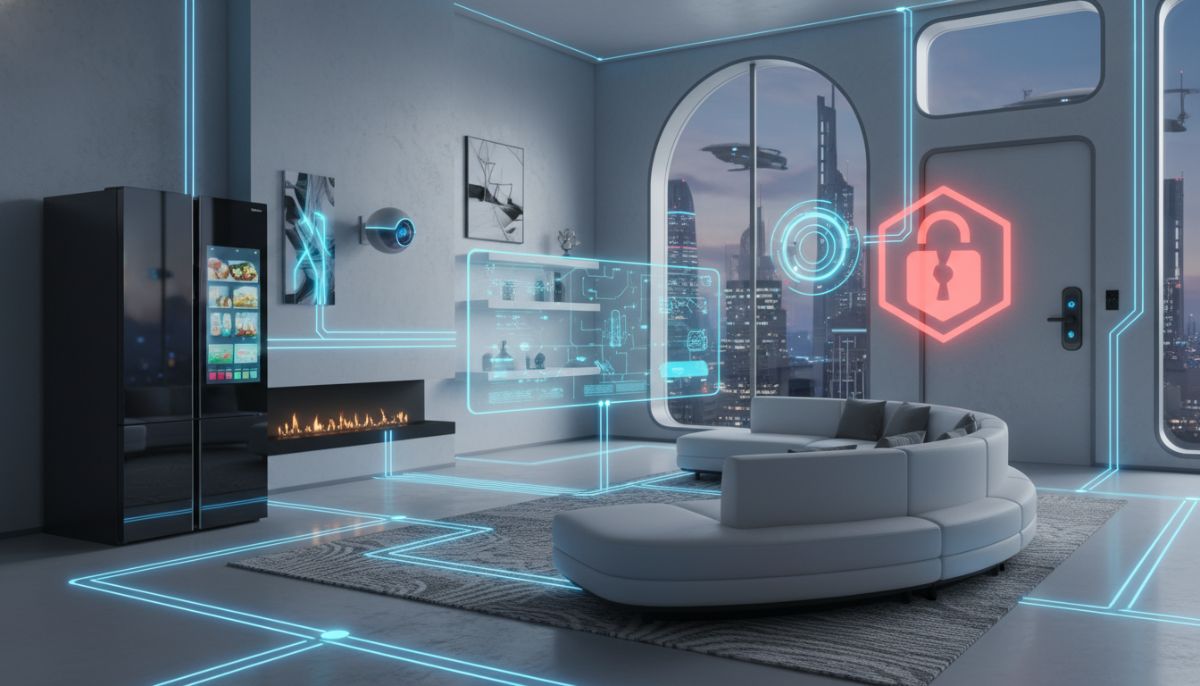
Cybercriminals leverage these vulnerabilities to perform a variety of illicit activities. These range from ‘botnet’ recruitment, where thousands of hijacked devices are used to launch Distributed Denial of Service (DDoS) attacks, to more personal intrusions such as unauthorized surveillance through home cameras or the harvesting of sensitive personal data stored on home networks. The financial and emotional toll of such breaches can be devastating, necessitating a financial safety net that extends beyond physical property protection.
The Limitations of Standard Homeowners Insurance
A common misconception among homeowners is that their standard property insurance policy provides adequate protection against cyber threats. Historically, homeowners insurance was designed to cover ‘tangible’ perils—fire, theft of physical goods, and natural disasters. While some modern policies have begun to include limited ‘identity theft’ endorsements, they frequently fail to address the complexities of an IoT-driven breach.
For instance, if a hacker gains access to a smart home hub and disables the security system to facilitate a physical break-in, the physical theft might be covered. However, if the same hacker encrypts the homeowner’s personal data via a smart refrigerator and demands a ransom, or uses the home network to commit financial fraud, a traditional policy may offer little to no recourse. Personal cyber-risk coverage is specifically engineered to bridge this gap, providing indemnification for digital assets and the peripheral costs of cyber incidents.
Core Components of Personal Cyber-Risk Coverage
Personal cyber insurance is a multifaceted product designed to address the specific nuances of digital life. While policies vary between providers, several core components define high-quality coverage:
1. Cyber Extortion and Ransomware Protection: This provides coverage for the costs associated with professional negotiations and, in some instances, the payment of ransoms demanded by hackers who have encrypted the user’s data or smart home systems.
2. Data Restoration and Recovery: Following a breach, the cost of hiring digital forensics experts to recover lost data or restore corrupted operating systems can be astronomical. Cyber insurance covers these professional services.
3. Cyber Bullying and Reputation Management: Some premium policies include coverage for the legal and psychological costs associated with online harassment or efforts to repair a reputation damaged by a digital breach.
4. Identity Recovery and Fraud Reimbursement: This covers the expenses incurred while restoring one’s identity, such as legal fees, lost wages during the process, and unauthorized electronic fund transfers.

The Financial Implications of a Smart Home Breach
The economic impact of an IoT breach extends far beyond the immediate loss of funds. There are significant ‘hidden’ costs that many homeowners fail to anticipate. For example, a compromised smart home network may require a complete overhaul of the digital infrastructure. This includes replacing compromised hardware, upgrading network security, and potentially paying for long-term credit monitoring services for all family members.
Furthermore, the legal liability aspect cannot be ignored. If a homeowner’s unsecured IoT device is used as a staging ground for an attack against a third party—such as a corporation or a government entity—the homeowner could theoretically face litigation for negligence. Personal cyber-risk policies often include liability coverage to defend against such claims, providing access to specialized legal counsel familiar with digital privacy laws.
Mitigation and Best Practices: A Dual Approach
Insurance should never be viewed as a replacement for proactive security; rather, it is the final line of defense. To qualify for the best rates and to ensure maximum protection, homeowners must adopt a rigorous ‘cyber hygiene’ regimen. This includes the implementation of network segmentation—keeping IoT devices on a separate guest network from personal computers—enabling multi-factor authentication (MFA) on all accounts, and ensuring that all devices are regularly updated with the latest security patches.
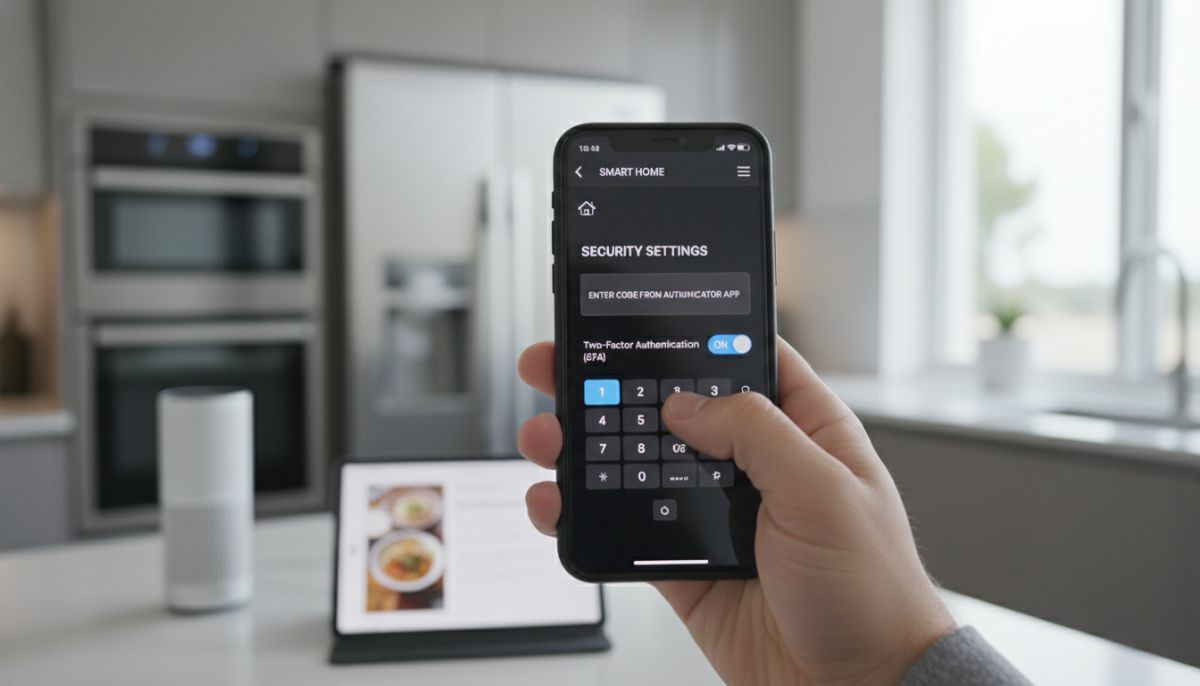
Insurance providers are increasingly moving toward a model where premiums are tied to the homeowner’s security posture. Some insurers even provide proprietary hardware or software that monitors the home network for anomalies, offering a proactive partnership between the insurer and the insured to mitigate risk before a breach occurs.
Conclusion: Securing the Future of the Connected Home
As we move further into the decade, the integration of AI and more advanced IoT devices into our domestic lives will only accelerate. While this promises a future of unprecedented convenience, it also mandates a more sophisticated approach to personal security. Personal cyber-risk coverage for smart home IoT is no longer a peripheral concern; it is a fundamental pillar of modern financial planning. By understanding the risks, acknowledging the limitations of traditional insurance, and investing in comprehensive cyber coverage, homeowners can enjoy the benefits of a connected lifestyle with the peace of mind that their digital sanctuary remains secure against an ever-evolving threat landscape.