Navigating the Shift: Top Autonomous Vehicle Liability Insurance Providers and the Future of Risk

The Paradigm Shift in Automotive Liability
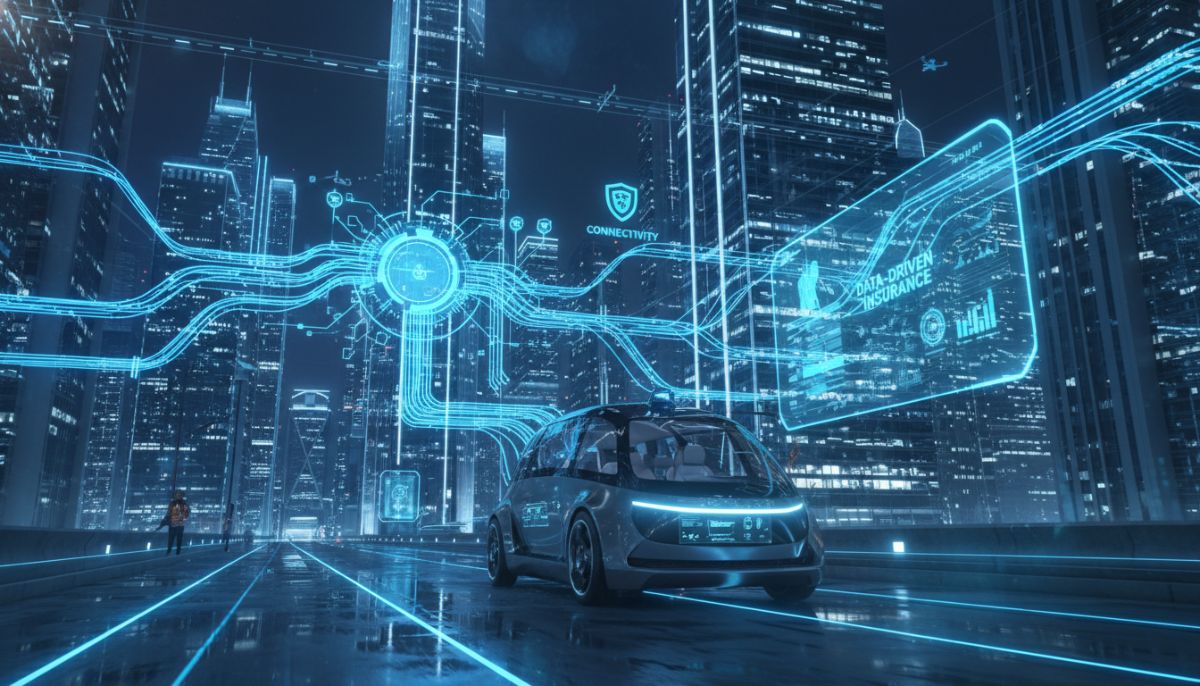
The automotive industry is currently undergoing its most significant transformation since the invention of the internal combustion engine. As autonomous vehicles (AVs) move from experimental prototypes to commercial reality, the traditional framework of motor insurance is facing a fundamental challenge. Historically, liability has centered on human error—negligence, distraction, or impaired judgment. However, as software takes the wheel, the burden of liability is shifting from the individual driver to the vehicle’s hardware manufacturers and software developers. This transition has birthed a new niche in the financial sector: Autonomous Vehicle Liability Insurance.
Traditional insurance models rely on actuarial data derived from human behavior. With AVs, providers must now calculate risk based on sensor reliability, algorithm decision-making, and cybersecurity robustness. This complexity requires a sophisticated breed of insurance providers capable of blending traditional coverage with product liability and technological indemnity.






Leading Providers in the Autonomous Liability Space
As the landscape evolves, several insurance giants and tech-forward startups have emerged as leaders in providing coverage for autonomous fleets and individual self-driving units. Here are the top providers currently shaping the market:
1. Tesla Insurance
Tesla has disrupted the market by leveraging its vertical integration. By utilizing real-time data from its vehicles’ sensors and Autopilot systems, Tesla Insurance can offer premiums based on an individual’s “Safety Score.” Unlike traditional insurers, Tesla has direct access to the vehicle’s telemetry, allowing them to determine if a collision was caused by human intervention or a system failure. This data-centric approach reduces the friction in claims processing and places the manufacturer at the center of the liability chain.
2. Swiss Re and Waymo Partnership
Swiss Re, one of the world’s largest reinsurers, has partnered with Waymo (Google’s self-driving project) to develop specialized risk assessment models. Their collaboration focuses on using Waymo’s immense historical driving data to create a benchmark for AV safety. By quantifying how much safer a robotaxi is compared to a human driver, Swiss Re provides the financial backing necessary for large-scale AV deployments, focusing heavily on commercial fleet liability.
3. Munich Re
Munich Re has positioned itself as a global leader in providing “Technology Performance Insurance.” Recognizing that software failure is a primary risk in the AV sector, they offer products that protect manufacturers against losses resulting from autonomous system errors. Their focus extends beyond simple collisions to include professional indemnity for the engineers and data scientists building the AI driving systems.
4. Aviva and AXA (UK & EU Market Leaders)
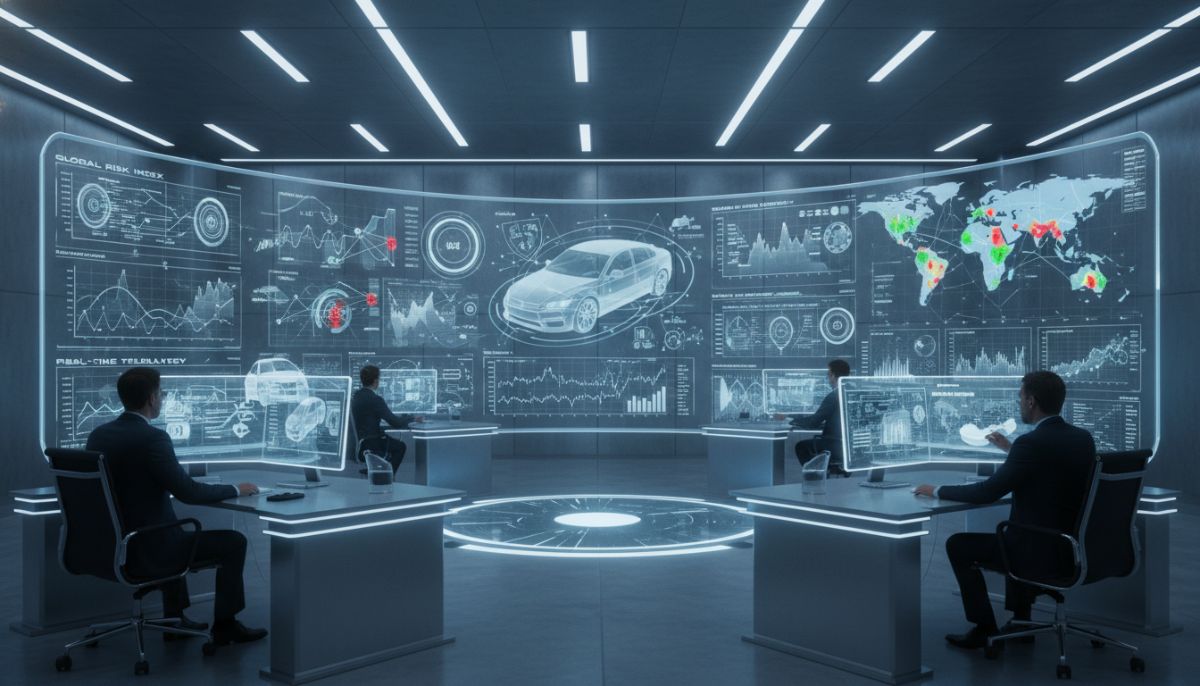
In Europe and the UK, companies like Aviva and AXA have been proactive in working with government regulators to define the “Automated and Electric Vehicles Act.” AXA, in particular, has conducted extensive research into how AVs interact with pedestrians and conventional cars. They provide tailored policies for autonomous shuttles and delivery bots, focusing on the hybrid period where human-driven cars and AVs share the same roads.
5. Allstate and State Farm
While traditionally conservative, US-based giants like Allstate and State Farm are pivoting toward telematics-based insurance. They are investing heavily in research and development to transition from personal liability policies to more complex product liability models. Their involvement is crucial for the mainstream adoption of Level 3 and Level 4 autonomy among private consumers.
The Complexity of Product Liability vs. Personal Negligence
The most significant hurdle for these providers is the legal distinction between a “driver” and a “system.” In a Level 5 autonomous vehicle (fully self-driving), the occupant is merely a passenger. If a crash occurs, the legal pursuit often shifts toward the manufacturer under product liability laws. This requires insurance providers to design multi-layered policies that cover:
1. Software Malfunction: Bugs or glitches in the AI that lead to unsafe maneuvers.
2. Sensor Failure: Damage to LIDAR, RADAR, or cameras that blinds the vehicle’s perception.
3. Cybersecurity Breaches: The risk of a vehicle being hacked or a fleet-wide system being compromised by a malicious actor.
[IMAGE_PROMPT: A conceptual 3D render of a digital shield composed of binary code and light protecting a sleek connected car, representing the intersection of cybersecurity and automotive insurance.]
Technical and Ethical Challenges in Underwriting
Underwriting autonomous risk is not merely a technical challenge but an ethical one. Insurance providers must grapple with the “Moral Machine” dilemma—how an AI is programmed to prioritize lives in an unavoidable accident. If an algorithm chooses to protect its occupants at the cost of a pedestrian, who pays the claim? Providers are currently working with ethicists and legislators to create standardized frameworks that ensure victims are compensated without stifling technological innovation.
Furthermore, the “Black Box” problem remains a hurdle. When an AV crashes, the decision-making process of a deep-learning neural network can be opaque. Insurance providers are now demanding that manufacturers implement “Data Storage Systems for Automated Driving” (DSSAD), which act as flight recorders to provide a transparent record of the events leading up to a claim.
The Road Ahead: A Collaborative Ecosystem
The future of autonomous vehicle liability will likely not be a winner-take-all market. Instead, it will be a collaborative ecosystem involving OEMs (Original Equipment Manufacturers), software firms, and traditional insurers. We are moving toward a “Seamless Coverage” model where the insurance is baked into the cost of the vehicle or the service (in the case of Robotaxis).
As data becomes the primary currency, the providers who can most accurately interpret telematics and sensor logs will dominate the field. The role of the insurance agent may shift from a salesperson to a data analyst, and the concept of a “monthly premium” may be replaced by “per-mile risk pricing” adjusted in real-time by the vehicle’s performance.
Conclusion
The rise of autonomous vehicle liability insurance providers marks a turning point in how society manages risk. While the transition from human-centric to machine-centric liability is fraught with legal and technical complexities, the potential for a 90% reduction in traffic accidents makes it a necessary evolution. Companies like Tesla, Swiss Re, and Munich Re are not just selling policies; they are building the safety net that will allow the autonomous revolution to move forward with confidence. For consumers and fleet operators alike, choosing a provider that understands the nuances of AI and sensor data is no longer optional—it is the key to navigating the future of mobility.